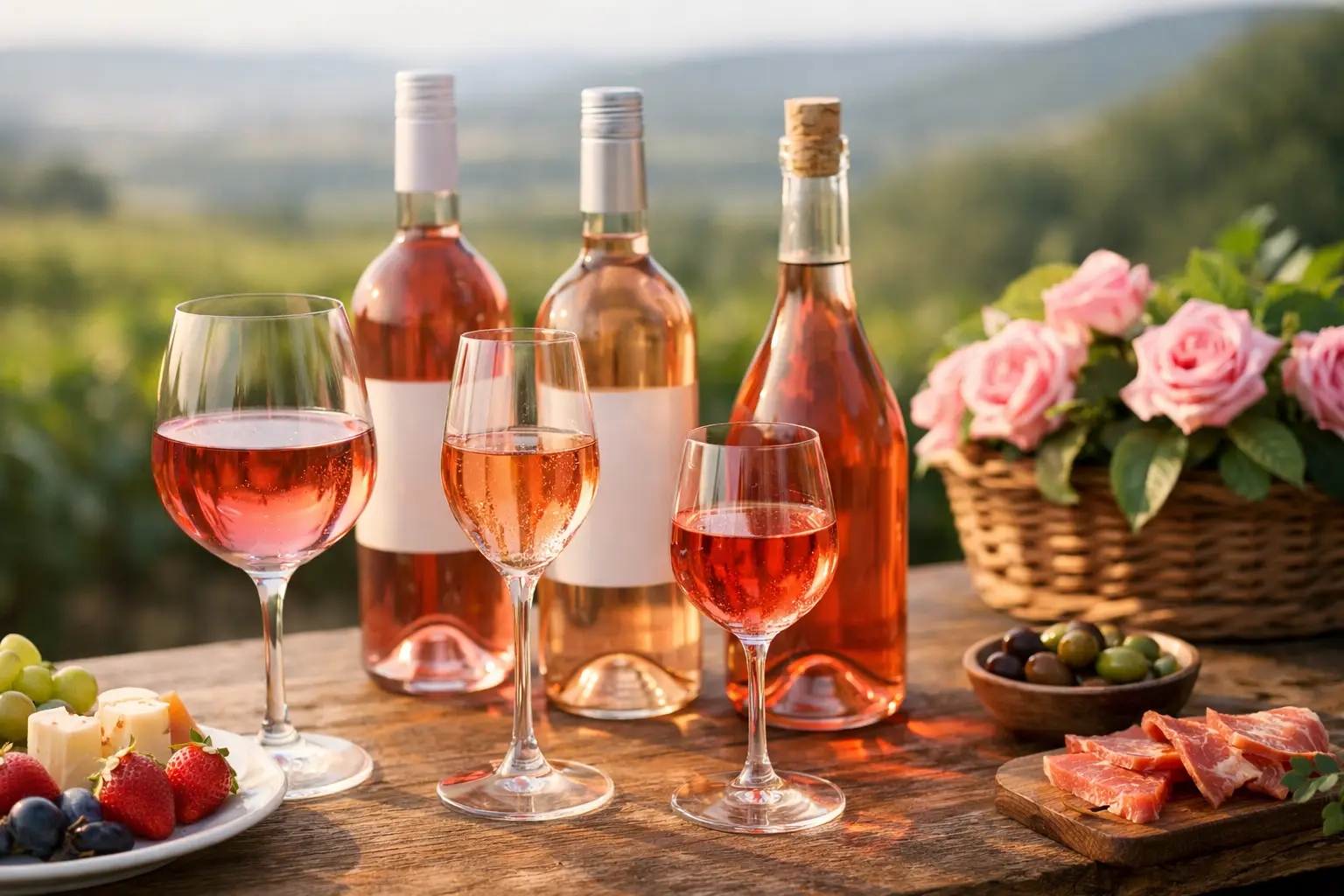
Complete Guide to Bulgarian Rosé for Every Taste
Rosé is not just a “summer wine,” and it should not be chosen solely by the color of its label. A well-crafted bottle offers freshness, but also structure, aromas of ripe fruit, a sense of the place where the grapes were grown, and the signature of the winery. This complete guide to Bulgarian rosé will help you recognize different styles, choose the right wine for the occasion, and serve it in a way that allows its character to shine.
What Makes Bulgarian Rosé Unique
Bulgaria has the rare advantage of combining diverse wine-growing regions, grape varieties, and climatic influences. Rosés from cooler regions are often crisp, with pronounced acidity and citrus notes. Wines from the warmer parts of the country can display riper aromas of strawberry, raspberry, and cherry, along with a fuller body.
The Black Sea region has a distinctive contribution to this palette. The sea air and temperature variations help the grapes retain their freshness, while the sunshine brings excellent ripeness and fruit expression. When vineyards are tended with consistency and grapes are harvested at the right moment, rosé does not remain light and anonymous; it develops balance, length, and a character of its own.
Color also tells a story, but it does not determine quality by itself. Pale rosé can be delicate and mineral-driven, while a deeper-colored rosé may be juicy and highly food-friendly. What truly matters is the purity of the aromas, freshness on the palate, and the harmony between fruit, acidity, and alcohol.
From Grapes to Rosé Color
Rosé is most commonly made from red grape varieties. After crushing, the juice remains in brief contact with the skins, which contain the natural pigments responsible for color. The duration of this contact is crucial, as it determines not only the shade of the wine but also part of its aromatic and flavor profile.
A short period of skin contact produces pale, delicate wines with floral and citrus accents. Slightly longer maceration results in a deeper color, more pronounced red-fruit aromas, and a fuller body. Neither style is inherently better than the other. The choice depends on the grape variety, the vintage, and the winemaker’s intention.
Quality rosé begins long before the winery. It requires healthy grapes, careful monitoring of ripeness, and gentle, efficient handling after harvest. Temperature control during vinification preserves the wine’s fresh aromas, while precise oxygen management helps it remain clean and vibrant. It is a craft where even the smallest decisions can be clearly tasted in the glass.
Grape Varieties Worth Knowing
Cabernet Sauvignon and Merlot are among the most common foundations of Bulgarian rosé. Cabernet Sauvignon can offer fresh herbal nuances, blackcurrant, and red-fruit notes, while Merlot often contributes softness, ripe cherry aromas, and a rounder mouthfeel. A blend of the two is an excellent choice for those seeking both aromatic complexity and structure.
Syrah typically brings a deeper color, spicy nuances, and more body. It is suited to the dining table rather than serving only as an aperitif, especially when the rosé has a richer fruit profile. Pinot Noir, on the other hand, often delivers a more delicate style with raspberry, strawberry, and subtle earthy notes.
Local varieties also deserve attention. Mavrud can produce rosé with distinctive fruit intensity and solid structure, while Melnik 55 can create a more spicy and recognizable profile. Do not choose solely based on grape variety; the same grape can express itself very differently depending on the soil, the vintage, and the decisions made in the winery.
A Complete Guide to Bulgarian Rosé by Style
If you are looking for a wine for a warm afternoon, start with a light, dry, and refreshing style. Expect aromas of strawberry, grapefruit, white blossoms, or peach. This type of rosé is enjoyable on its own, but it requires the right serving temperature, as excessive warmth quickly diminishes its energy.
For a dinner with more complex flavors, choose a medium-bodied rosé. It may offer aromas of ripe raspberry, cherry, and herbs, with a longer, slightly creamy finish. These are wines that pair comfortably with roasted fish, seafood prepared with butter, grilled vegetables, or poultry.
There are also more serious rosés, sometimes aged briefly on fine lees or with limited oak contact. They are not the best choice when you are seeking only icy freshness, but they are excellent companions for a long dinner. With these wines, balance is essential: the oak influence should complement the fruit rather than overshadow it.
Sweetness also matters. Most quality Bulgarian rosés are dry, but dry does not necessarily mean sharp or austere. Ripe fruit can create a perception of sweetness even when there is very little residual sugar in the wine. If you prefer a softer style, pay attention not only to the sweetness designation but also to the alcohol level, grape variety, and vintage description.
How to Choose a Bottle with Confidence
First, look for a clear origin. The region, grape variety, vintage, and producer’s name are not minor details; they provide valuable clues about what lies behind the label. A winery that works with its own grapes or maintains a long-term relationship with its vineyards can monitor quality from the first pruning season through bottling.
Then consider the occasion. For a gift, choose a wine with a clearly defined origin and a more distinctive style. For lunch on the terrace, look for a young and fresh rosé. For food pairings, select a bottle with medium body and good acidity. The most expensive bottle is not always the most suitable one; the right bottle is the one that fits the moment and your personal taste.
The vintage is especially important for fresher styles. Rosé is generally enjoyed young, when its fruit aromas are at their brightest. This is not a strict rule, however, as some more structured wines can develop beautifully in the bottle. If you are unsure, ask the producer or trust a tasting experience, where the differences between styles are easiest to appreciate.
Temperature, Glassware, and Food Pairing
Serve light rosé chilled to approximately 8-10°C (46-50°F). Fuller-bodied and more gastronomic styles reveal themselves best at 10-12°C (50-54°F). Ice-cold wine may seem refreshing, but temperatures that are too low suppress aromas and flatten the palate.
Use a glass with a moderately wide opening, large enough to capture the wine’s aromas. Do not fill it more than one-third full. This helps the wine stay fresh while giving you room to swirl the glass gently and release its fruit and floral notes.
Rosé is a natural companion to Black Sea fish, shrimp, mussels, and calamari, but its versatility extends much further. A fresh style pairs beautifully with salads, delicately flavored cheeses, sushi, and vegetable dishes. A more structured rosé works well with grilled chicken, pork tenderloin, pasta with tomato sauce, and Mediterranean seasonings. When pairing with spicy food, avoid wines with excessively high alcohol levels, as they can intensify the perception of heat.
At Kaliakra Winery, we view rosé as a wine that deserves a place at the table throughout the year, not merely as a seasonal pleasure. Its character begins in the vineyard and reveals itself best when served at the proper temperature, shared in good company, and paired with food that allows its voice to be heard. The next time you choose a bottle, do not simply choose a shade of pink; choose the story of the grapes, the land, and the people behind it.
FAQ
1. What makes Bulgarian rosé distinctive?
A mix of regions, climate, grape varieties, and winery craftsmanship.
2. Why is the Black Sea region ideal for rosé?
Coastal breeze + temperature balance → freshness, purity, ripe fruit.
3. Does color determine quality?
No — color shows maceration, but aroma, freshness, balance matter most.
4. How is rosé made?
Short skin contact → pale style; longer contact → deeper, fruitier style.
5. Which grape varieties dominate Bulgarian rosé?
Cabernet Sauvignon, Merlot, Syrah, Pinot Noir, Mavrud, Melnik 55.

Verified Wine Expert & Technologist
Ani Kostova
Certified Oenologist | Manager at Kaliakra Winery
Ani Kostova graduated from the University of Food Technologies (UFT) in Plovdiv with a degree in Wine Technology. As Manager and Head Technologist at Kaliakra Winery, she oversees the entire vinification process, quality control, and the expression of the unique Black Sea terroir.