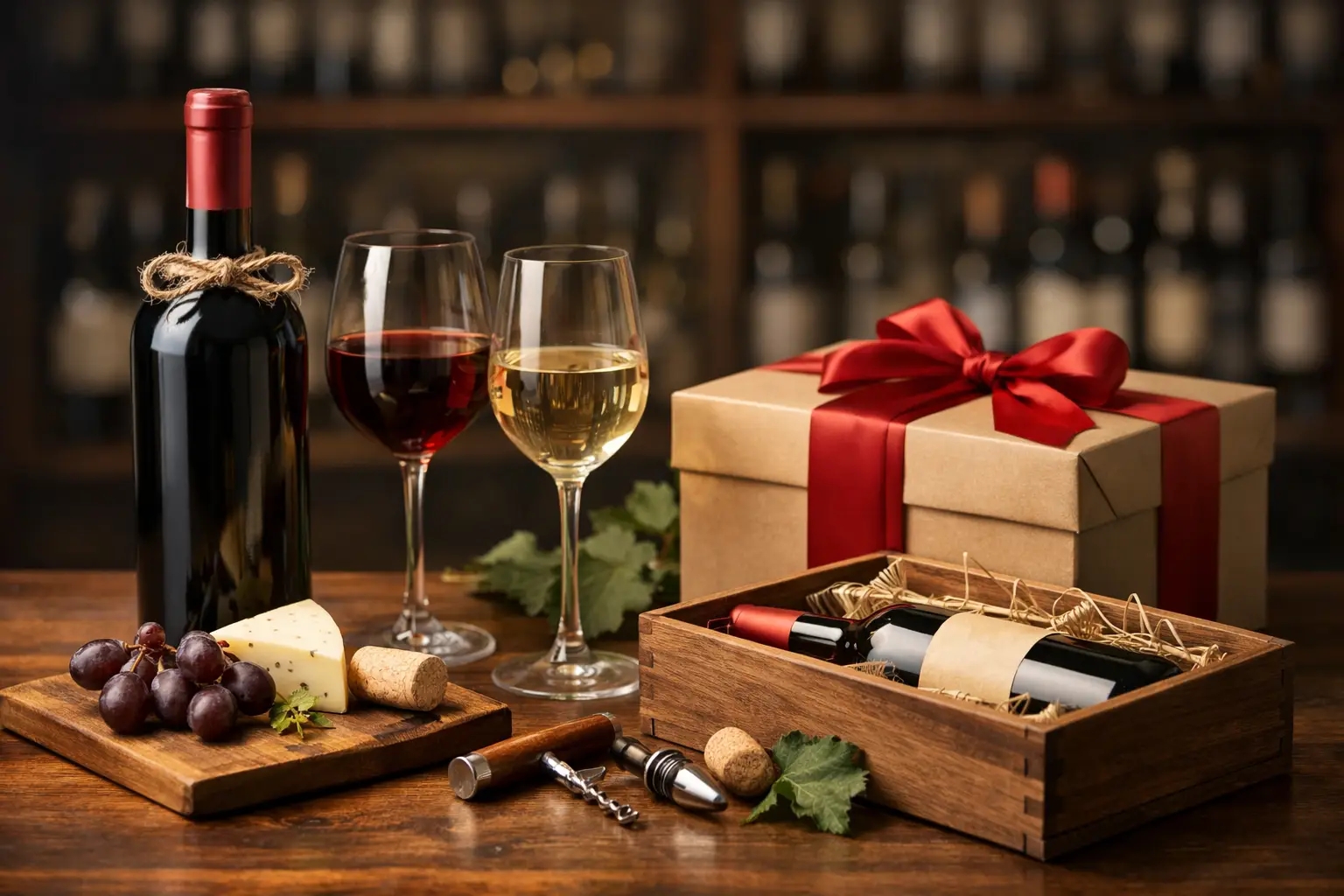
A Guide to Choosing a Wine Gift
A wine gift is rarely remembered only by its label. It is remembered by the moment the bottle is opened, the people around the table, and the attention with which it was chosen. This guide for choosing a wine gift will help you make a confident choice without unnecessary showiness — with thought for the occasion, the person, and the character of the wine.
Start with the person, not the price
An expensive wine is not always the most suitable gift. When choosing, it is more important to capture the recipient’s taste and habits. A person who prefers fresh salads, fish, and seafood will likely appreciate a clean white wine or an elegant rosé more than a full, aged red. Someone who enjoys long dinners with good food and conversation may be happiest with a red variety that has deeper aroma and a complete flavor.
If you don’t know their preferences well, look for balance. A dry white wine with good freshness, a rosé with fruity character, or a harmonious red blend are sensible and respectful choices. They are universal enough without feeling impersonal.
Also consider how the recipient consumes wine. For some, it is part of a Sunday lunch; for others, the gift will inspire a special dinner. Some people enjoy trying new varieties, while others remain loyal to a familiar style. A well‑chosen bottle shows that you considered this, instead of simply picking something from the shelf.
A guide for choosing a wine gift according to the occasion
The occasion doesn’t determine only the budget. It gives direction for the style, the mood, and the message of the gift. For a birthday, you can choose a wine with a more vivid character — an impressive red, a noble white, or a carefully selected blend. For an anniversary, there is room for a bottle from a more special vintage or for a set that carries a sense of a complete gesture.
For a dinner at someone’s home, the gift can be less pretentious, but not random. A fresh rosé or an aromatic white wine are good choices when the hosts enjoy lighter cuisine and company. If you are going to a celebration during the colder months, red wine naturally enters its season — especially paired with meat dishes, aged cheeses, and slow conversations.
A corporate gift requires a bit more restraint. Here it is best to rely on quality wine with clear origin and clean presentation. The bottle doesn’t need to be extravagant. More valuable are good grapes, correct vinification, and the story behind the label. Such a choice speaks of taste, not of display.
For a household gift, you can also think practically. A larger format of a wine the family likes and regularly consumes has its meaning. It is not a substitute for a gift bottle for a special occasion, but it is a wonderful gesture for close people for whom wine naturally belongs on the table.
White wines are a choice for freshness and lightness
White wine is often the safest gift when you don’t know much about the person’s preferences. It brings lightness, fresh fruity and floral nuances, and easily finds its place on the table. It is suitable for warm seasons, festive lunches, seafood, and people who enjoy a clean, lively style.
But white wines are not all the same. Lighter and fresher styles suit people who appreciate citrus nuances and high freshness. Fuller white wines can be a better choice for connoisseurs who enjoy richer texture and wine capable of standing next to more serious cuisine.
Origin matters. Wine from the Black Sea wine‑growing region carries a different signature from wine born in more mountainous or continental areas. The maritime climate, the sun, and the care for the vineyards shape a character that cannot be replaced by generic descriptions on a label.
Rosé for people who love good company
Rosé is a gift with a naturally festive presence. It is not only a summer wine, although it shines strongest in the warm months. Well‑made rosé is fresh, fruity, and flexible enough to be served at lunch, on the terrace, or during dinner with friends.
Choose rosé for someone who appreciates effortless elegance. It is an especially good option for a hostess, for a family couple, or for a friend who enjoys gathering people around the table. It is important that the style is clean and balanced, and that the color — its beautiful first sign — is not the only argument for the purchase.
Rosé also has the advantage of not imposing a strict frame for food. It pairs well with vegetable dishes, light meats, cheeses, and seafood. That makes it a practical choice when you don’t know what the menu of the celebration will be.
Red wine carries a deeper message
Red wine is suitable when the gift needs to have weight and character. It is a choice for connoisseurs, for winter occasions, for anniversaries, and for people who enjoy food and wine together. Here the variety, the vintage, and the way it has aged can have greater importance.
For a gentler and fruitier style, look for red wine with soft tannins and good freshness. For a more experienced wine lover, you can choose a more structured wine, with fuller body and the potential to develop in the bottle. The second option is impressive, but not universal. If the recipient usually drinks white or rosé, a heavy red may remain unopened.
When gifting red wine, think also about the time in which it will be consumed. Some wines are created for enjoyment now, others benefit from patience. For a gift that will be opened soon, choose a wine in good readiness. For a collector or someone interested in vintages, a more special red can become a promise for a future occasion.
Look at the label as a story of origin
The label is not just packaging. It should give you confidence about where the wine comes from, who stands behind it, and what style to expect. Look for clearly stated producer, region, variety or blend, and vintage when applicable. This information is a sign of openness and respect for the customer’s choice.
Wine with clear origin has greater value as a gift because it carries a story. When the grapes come from owned or carefully maintained vineyards, and the producer follows their path from vineyard to bottle, the recipient does not receive just a drink. They receive the character of a place, a season, and a craft.
At Kaliakra Winery, this connection with the Black Sea region is part of every step — from the care for the grapes to the wine that reaches the table. It is precisely such clear origin that makes a bottle a more meaningful gift.
Don’t underestimate the way you present the gift
A good bottle doesn’t need overly lavish decoration. A clean gift wrap, an appropriate card, and a few personal words are completely enough. If you know the person well, add a short message explaining why you chose this particular wine — for example, because of a shared travel memory, their love for seafood, or an upcoming dinner.
Temperature and storage also deserve attention. Don’t leave the wine in a hot car or in direct sunlight, especially before gifting it. White wines and rosés should be chilled if they will be opened immediately, and red wines should not be too warm. These are small details, but they preserve the work invested in the bottle.
The best wine gift is not recognized by the highest price, but by the right choice. Give a wine that has origin, good taste, and a reason to be opened — then the bottle will continue the conversation even after the celebration ends.
FAQ
1. What matters most when choosing a wine gift?
Start with the person and the occasion, not the price.
2. What if I don’t know the recipient’s preferences?
Choose balanced, universal wines: dry white, elegant rosé, or a harmonious red blend.
3. How to choose wine based on the occasion?
Birthday → expressive wine.
Anniversary → special vintage.
Home dinner → fresh rosé or white.
Corporate gift → quality wine with clear origin.
4. When is white wine the safest gift?
When preferences are unknown — it is light, fresh, versatile, and festive.
5. Who is rosé ideal for?
People who enjoy company, elegance, and flexible food pairing.
Author: Ani Kostova